

















A cruise should feel like a vacation from daily logistics, not a new set of obstacles to solve. This cruise accessibility planning guide helps travelers and families ask the right questions before booking, so the ship, stateroom, ports, and shore days support the way they actually travel. A little planning can make a big difference between simply getting through a trip and fully enjoying time together.
Accessibility needs are personal. One traveler may need a step-free bathroom and a scooter-friendly route to dinner, while another may be managing hearing loss, a special diet, oxygen equipment, or sensory needs. The best cruise is not automatically the newest ship or the lowest fare. It is the sailing that fits your needs comfortably while still delivering great value.
Start With Your Must-Haves, Not the Itinerary
Before comparing ships, make a short list of what is non-negotiable. Be specific about daily needs, not just diagnoses. Can the traveler walk short distances but not long corridors? Is a wheelchair used full-time or only for excursions? Is a roll-in shower necessary? Does a family member need a refrigerator for medication, a sign-language interpreter, a low-sensory space, or help getting on and off the ship?
This conversation is especially helpful for multigenerational families. Grandparents may be able to enjoy a full day onboard but need a cabin close to elevators. A child with autism may do better on a ship with predictable dining times and a quieter place to take breaks. Couples may prefer a smaller itinerary with fewer rushed port days. There is no one-size-fits-all answer, and honest details lead to better recommendations.
It also helps to separate needs from preferences. A balcony may be a wonderful extra, but an accessible bathroom may matter more. A popular private-island stop may sound exciting, yet a port that requires tender boats can be less practical for travelers using wheelchairs or scooters. Knowing where you can be flexible protects your budget without compromising comfort.
Choose a Ship That Works on Real Cruise Days
Most major cruise lines offer accessible features, but the experience can vary by ship, stateroom category, and itinerary. Newer ships often have wider public areas, more elevators, and additional accessible cabins, but older ships can still be a great fit when the cabin location and port schedule are right.
Ask about the practical details of moving through the ship. Long hallways, busy pool decks, theater seating, dining rooms on different decks, and elevator waits all affect the day-to-day experience. If mobility is limited, a centrally located cabin near an elevator can be worth more than a larger cabin at the far end of the ship.
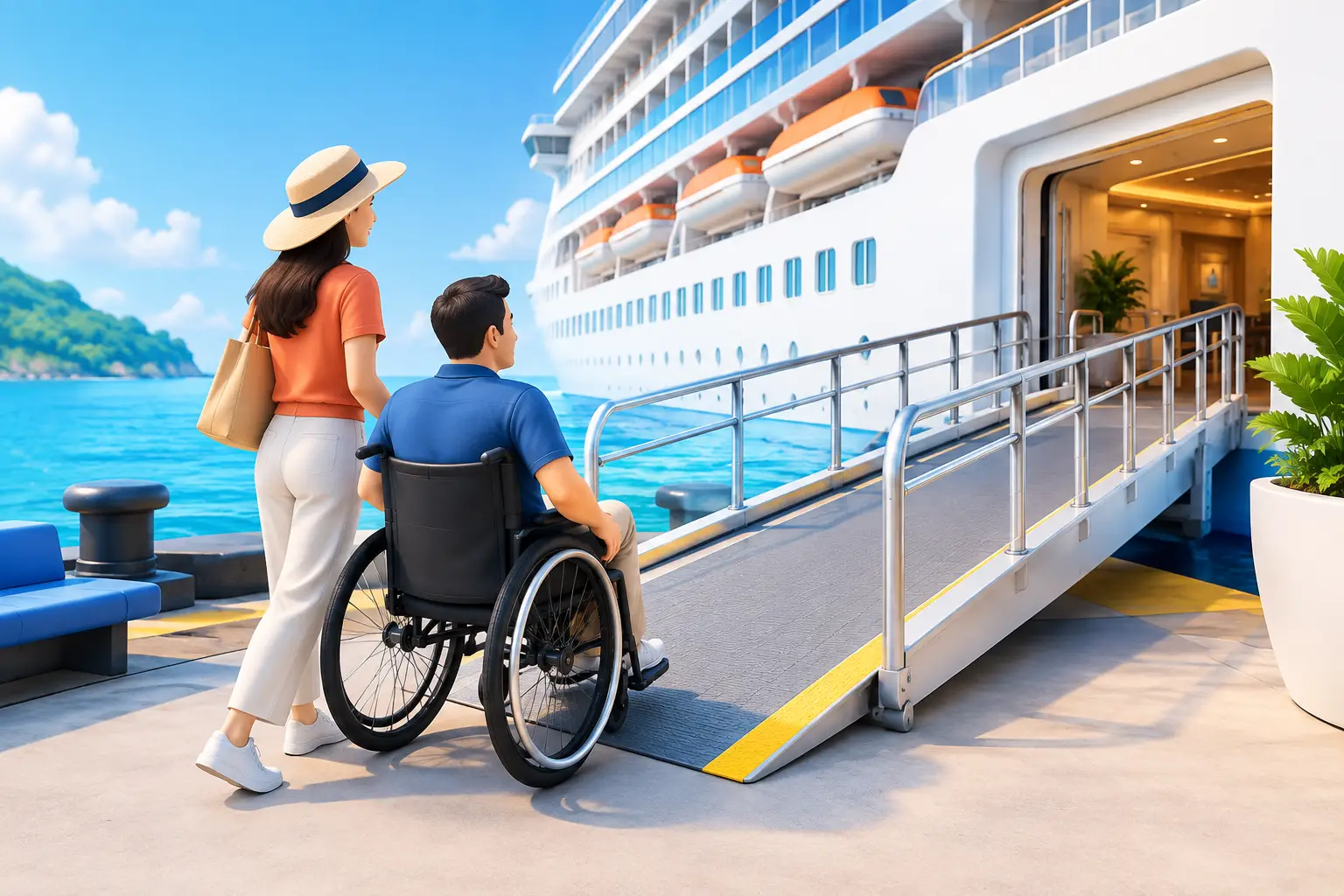
For travelers bringing a wheelchair or scooter, confirm the device dimensions and weight before reserving a cabin. Door widths, turning space, ramp access, and bathroom layouts differ. A cabin described as accessible should still be reviewed carefully, especially if a traveler needs a roll-in shower, grab bars, a shower chair, or space for a caregiver to assist.
Do not count on using a standard cabin for a mobility scooter just because it fits through the door. It may not fit beside the bed, park safely, or allow room to use the bathroom. Ships also have rules about charging and storing mobility devices in hallways. Reserving the appropriate cabin from the start is usually less stressful and often less expensive than trying to change later.
Accessible cabins are limited
Accessible staterooms are among the first cabins to sell, particularly during school breaks, holiday sailings, and popular Alaska or Caribbean seasons. Book as early as possible, then notify the cruise line of any requested accommodations through its accessibility process. A cabin hold can be useful while you confirm the details, but do not assume an accessible cabin is reserved until it is clearly documented.
Plan the Ports as Carefully as the Ship
A beautiful itinerary can look very different on shore. The key question is not just, “Where are we going?” It is, “How will we get from the ship to the experience we want?”
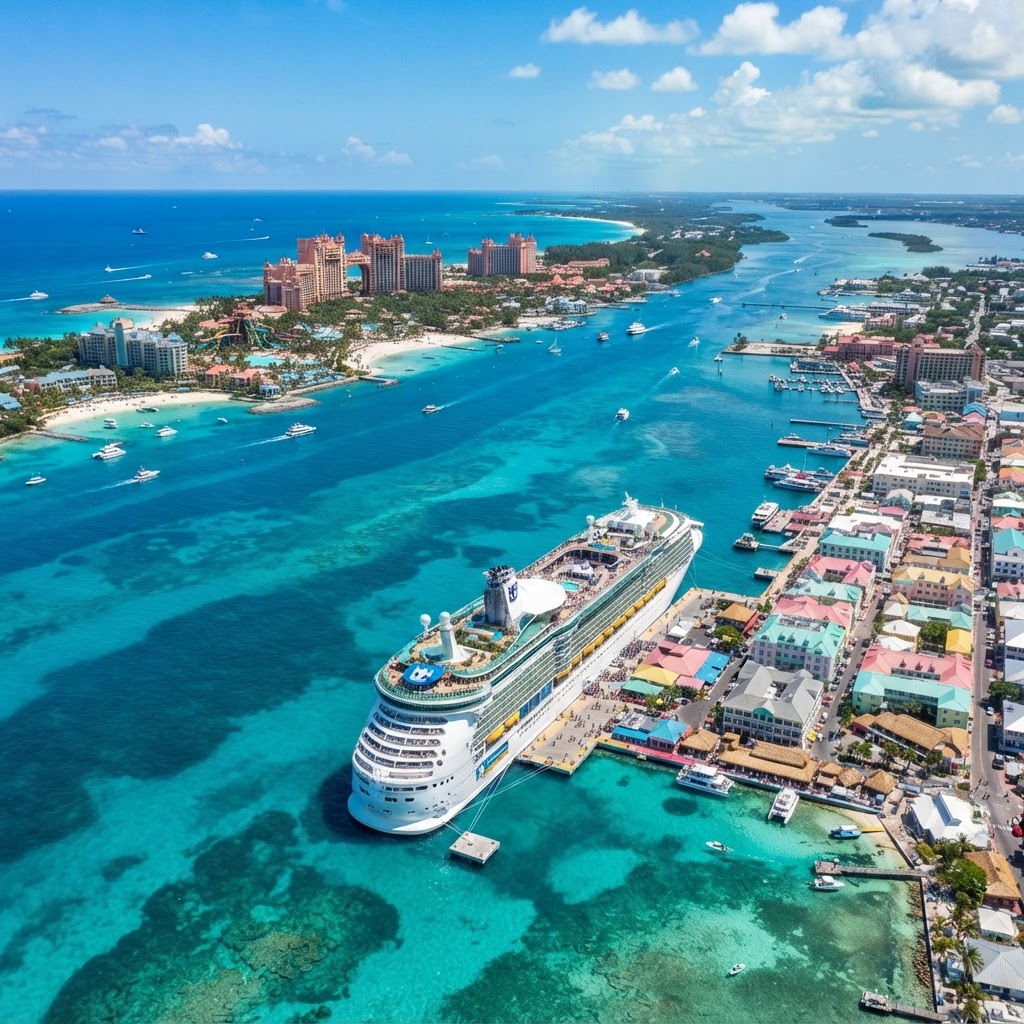
Some ports allow the ship to dock directly at a pier, which is usually the easier option for travelers with mobility needs. Other ports use tender boats to transport guests from the ship to land. Tendering may be difficult or unavailable for guests using certain wheelchairs, scooters, or other equipment, particularly if seas are rough. Cruise line policies and local conditions can change, so this should be checked for the specific sailing.
Shore excursions need the same level of attention. An excursion labeled “easy” may still involve uneven streets, a few steps, long periods of sitting, or a walk from the motor coach to an attraction. Ask how accessible transportation is, whether a wheelchair can be accommodated, if accessible restrooms are available, and whether the guide can adjust the pace. For a traveler who transfers from a wheelchair, clarify whether the chair can travel with the group.
Independent tours can sometimes offer more flexibility, but they require extra research and leave less room for ship-supported assistance if timing changes. Cruise line excursions may be the better choice when reliable transportation and getting back to the ship on time are top priorities. It depends on the port, the traveler’s needs, and how much independence your group wants.
Confirm Medical, Dietary, and Communication Needs Early
Cruise ships can support many guest needs, but they are not hospitals. Travelers who use dialysis, oxygen, refrigerated medication, CPAP machines, injectable medications, or other medical equipment should contact the cruise line well before sailing. Requirements for documentation, equipment delivery, electrical needs, and sharps disposal vary.
Bring medications in original containers and pack enough for the entire trip plus extra in your carry-on bag. Luggage can be delayed reaching cabins on embarkation day, and it is not the place for essential medication, mobility items, or medical paperwork. A printed list of prescriptions, allergies, providers, and emergency contacts is smart for every traveler, especially when family members are helping with care.
Dining teams can often help guests manage food allergies and dietary restrictions when notified ahead of time. Still, it is wise to speak with the dining staff once onboard and identify what the traveler needs at each meal. Buffets can be convenient, but table service may be easier for some guests who need ingredient guidance, assistance carrying plates, or a quieter pace.
Guests with hearing, vision, cognitive, or sensory needs should ask about available accommodations rather than assuming they are standard on every ship. Captioning, assistive listening devices, accessible safety information, visual or vibrating alerts, priority boarding support, and interpreter requests may be available, but advance notice matters.
Make Embarkation Day Easier
The first few hours onboard are usually the busiest. Keep travel documents, medications, a phone charger, water, mobility-device keys, and anything needed for the afternoon in a day bag. Checked luggage can arrive later, and cabins may not be ready as soon as you board.
Arrive at the port with enough time to move at a comfortable pace. If you need wheelchair assistance through the terminal, request it in advance and expect that there may still be a short wait during peak boarding. Guests who can walk but tire easily should consider using assistance rather than saving all their energy for boarding.
Once onboard, locate your muster station, elevators, accessible restrooms, dining room, and guest services desk before the ship gets crowded. This small orientation trip can take away a lot of first-day uncertainty. If anything about the cabin or requested support is not right, raise it promptly while there is time to help.
Build a Plan That Leaves Room for Fun
The most successful accessible cruise plans have breathing room. You do not need to attend every show, visit every deck, or book an excursion in every port to have a wonderful vacation. A slower morning, a quiet lunch, or a balcony break can make the rest of the day more enjoyable.
For families, consider alternating bigger activity days with lighter ones. Let teens enjoy the waterslides while grandparents relax near the atrium. Choose an accessible sightseeing tour one day and enjoy the ship while many guests go ashore the next. Cruise vacations are flexible by nature, which is one reason they work so well for groups with different energy levels.
A knowledgeable cruise advisor can help compare specific ships, accessible cabin availability, port logistics, and current deals before you commit. At VL Voyages, that personal planning help comes with the friendly service travelers have trusted since 1995, so families can focus on making memories instead of sorting through fine print.
The right cruise is not the one that asks a traveler to adapt to every detail. It is the one that gives everyone more freedom to join the fun, share the view, and enjoy the vacation together.