



















A cruise can look like a great deal on paper, then feel completely different once you step aboard. One ship may be perfect for kids who want waterslides from breakfast to bedtime; another may be better for a quiet anniversary dinner and a balcony sunrise. Learning how to choose a cruise ship starts with looking beyond the lowest fare and matching the ship to the kind of vacation you actually want.
The good news is that there is no single “best” ship. There is a best fit for your dates, destination, budget, and travel group. A little planning up front can turn a confusing search into a stress-free vacation everyone talks about for years.
Start With Who Is Sailing
Your travel party should shape almost every ship decision. For families with young children, look for age-appropriate kids’ clubs, splash areas, flexible dining times, family cabins, and easy access to casual food. A ship with lots of activities is often worth it on sea days, especially when school-break crowds mean kids are ready to stay busy.
Traveling with teens? They may care less about a pool and more about sports courts, gaming lounges, zip lines, surf simulators, late-night snacks, and a dedicated teen space. Check the cruise line’s age ranges before booking. A “teen club” is not always designed for every teenager, and that difference can affect their whole trip.
Couples may prefer a ship with specialty dining, adult-only deck areas, live music, spa time, and a more relaxed evening atmosphere. Multigenerational groups usually do best on a ship with plenty of choices: simple dining for grandparents, kid-friendly fun for little ones, and enough entertainment that nobody feels stuck doing the same thing all week.
Choose a Ship Size That Feels Right
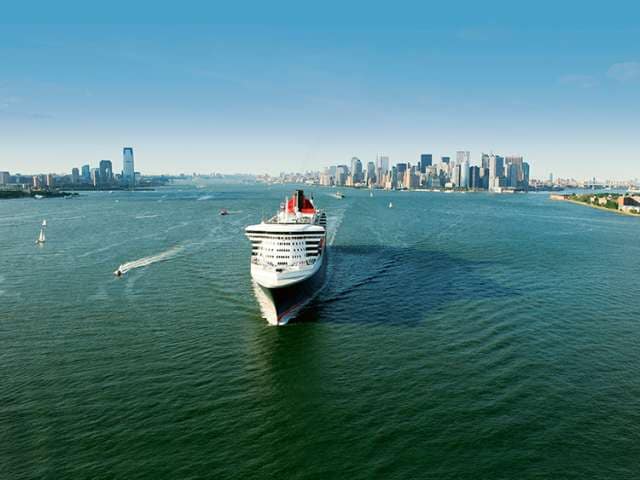
Ship size is not simply a matter of bigger being better. Large ships can feel like floating resorts, with multiple pools, shows, restaurants, activities, and neighborhoods to explore. They are a strong option for active families and groups because everyone can find something to do. They also tend to offer more cabin categories, which can help when different households have different budgets.
The trade-off is that larger ships can involve more walking, fuller elevators at busy times, and more people at popular venues. They may also spend less time in smaller ports because of their size.
Smaller ships generally feel easier to navigate and can offer a calmer, more personal atmosphere. They may visit ports that are harder for larger ships to reach. For travelers who care more about the destination than a long list of onboard attractions, a smaller ship can be a wonderful choice. But choices for dining, nightlife, and children’s activities may be more limited.
A mid-size ship often provides a comfortable middle ground: enough to do without feeling overwhelming. First-time cruisers who are unsure what they want often find this size especially appealing.
Match the Ship to Your Itinerary
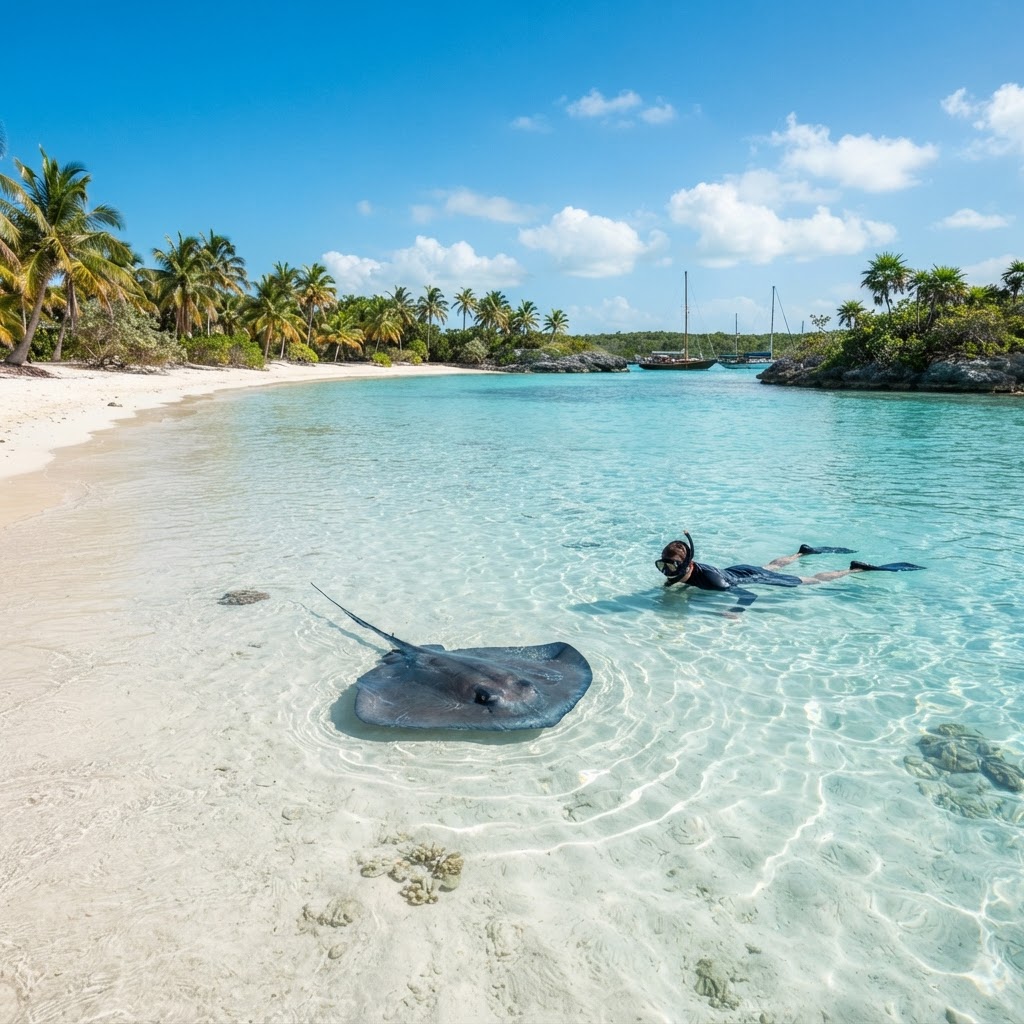
The same ship can be a great fit in one region and a less practical choice in another. For a warm Caribbean sailing, an open pool deck, water features, outdoor movies, and casual food near the pool can make a big difference. If your family plans to spend sea days swimming and relaxing, prioritize outdoor space and activities that work in sunny weather.
For Alaska, think beyond pools and slides. Enclosed viewing lounges, heated pools, naturalist programming, comfortable indoor spaces, and cabins with balconies can add real value when the scenery is the star. A ship that gives you plenty of places to watch glaciers and wildlife without standing in the cold is often worth considering.
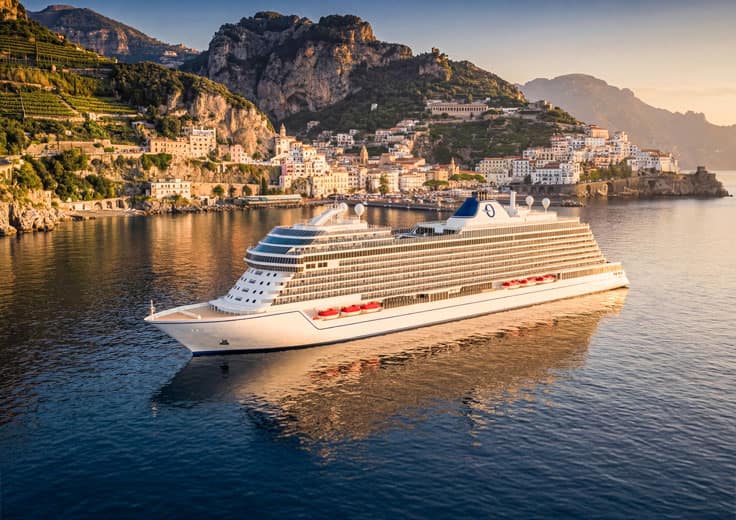
Mediterranean and European cruises are usually port-intensive. You may spend long days exploring cities, so you may not need every onboard attraction. In that case, focus on itinerary timing, overnight stays, port location, dining convenience, and a cabin that gives you a comfortable place to recharge. A smaller ship may also be useful if it docks closer to the heart of certain destinations.
Before choosing, look at the actual port schedule. A beautiful ship cannot make up for an itinerary with short port calls, inconvenient arrival times, or too many tender ports for travelers with mobility concerns.
Look Closely at Cabins, Not Just Categories
A cabin is your home base, and the least expensive room is not always the best value. Inside cabins can be an excellent choice for travelers who plan to be out enjoying the ship and ports all day. They often leave more room in the budget for shore excursions, specialty dining, or a longer sailing.
Ocean-view cabins bring in natural light, while balcony cabins offer private fresh air and a quiet spot to enjoy the view. A balcony can feel especially worthwhile in scenic destinations such as Alaska, Norway, or the Mediterranean. On the other hand, if you are booking a quick Caribbean getaway with busy kids, that extra cost may be better spent elsewhere.
Pay attention to cabin location. Rooms near elevators can be convenient, but they may have more hallway traffic. Cabins directly below pools, nightclubs, or buffet areas can be noisy early in the morning or late at night. For guests prone to motion sickness, a mid-ship cabin on a lower deck is usually the most comfortable choice.
Families should also ask about connecting cabins, sofa beds, bunk beds, and bathroom layouts. A cabin technically sleeping four does not always feel roomy for four people and their luggage. A cruise expert can help compare the true cost of one larger cabin against two connecting rooms, which sometimes offers more comfort for a surprisingly reasonable difference.
Compare What Is Included Before You Compare Prices
Cruise pricing is one reason travelers can feel overwhelmed. The advertised fare is only part of the vacation cost. When comparing ships, look at what each fare includes and what your group is likely to spend after booking.
Consider gratuities, beverage packages, Wi-Fi, specialty dining, shore excursions, parking, transportation to the port, and airfare if needed. Also check whether the cruise line charges extra for room service, kids’ activities during certain hours, fitness classes, or popular attractions. You do not need to buy every add-on, but you should know what is optional before deciding one cruise is the better deal.
A slightly higher cruise fare can be a better value if it includes perks your family would purchase anyway. Conversely, a low fare may be exactly right if you are happy with included dining, free entertainment, and exploring ports on your own. There is no wrong approach - just avoid comparing a bare-bones price with a fare that already includes extras.
Check Dining and Entertainment With Realistic Expectations
Food is a memorable part of any cruise, particularly for families and groups. Review the main dining options, casual spots, reservation policies, and whether the ship offers flexible dining times. If you have picky eaters, dietary needs, or a group that does not like eating at the same hour every night, those details matter more than a flashy restaurant list.
Entertainment is just as personal. Some ships are built around big production shows, comedy, live bands, deck parties, and high-energy activities. Others lean toward quieter music, lectures, trivia, and lounge spaces. Read the daily activity examples when available, not just the marketing highlights. That gives you a more honest picture of how the ship feels on a typical day.
Use Reviews Wisely, Then Get Expert Help
Reviews can reveal useful patterns, but they need context. A complaint that a ship was “too crowded” may come from someone sailing during a holiday week, while another guest on the same ship had a peaceful experience in a quieter month. Look for repeated comments about service, cabin condition, food quality, cleanliness, and embarkation instead of letting one dramatic review decide your trip.
It also helps to check when the ship was launched or last refreshed. Older ships can offer great prices and plenty of charm, but their cabin layouts and onboard features may differ from newer vessels. Newer ships often have more attractions, though they may come with higher fares and bigger crowds.
This is where personal planning support can save time and money. VL Voyages has helped travelers since 1995, and an experienced cruise advisor can compare ships, cabin locations, current promotions, and special discounts that may not be obvious when you search alone. That guidance costs you nothing, but it can help you avoid booking a ship that looks right online and feels wrong once you board.
The best cruise ship is the one that makes your group feel like the vacation was designed for them. Give priority to the moments you want most - a kid’s first waterslide, a family dinner without cooking, a quiet balcony coffee, or an easy day in port - and let those moments guide your choice.